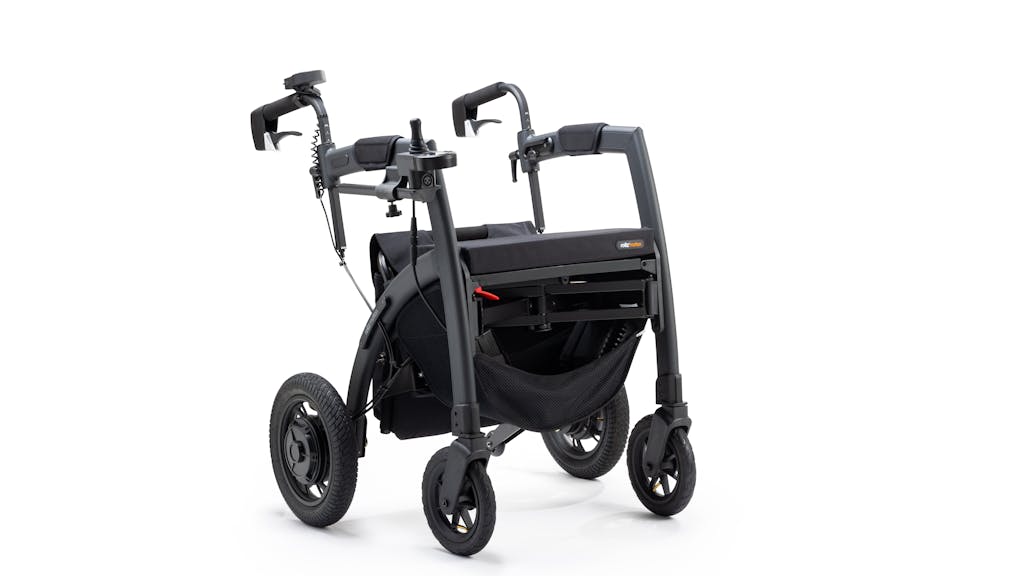
Electric wheelchairs provide greater mobility and independence for individuals with mobility challenges. However, the cost of an electric wheelchair can be a concern for many people. Understanding the factors that contribute to the cost and how insurance can help cover some of the expenses is essential. This guide provides key information on electric wheelchair costs and how insurance can assist with the purchase.
Factors That Affect the Cost of Electric Wheelchairs
The cost of an electric wheelchair varies depending on several factors, such as the type, features, and brand. Basic models may cost around $1,500 to $3,000, while more advanced chairs with additional features like customized seating, adjustable footrests, or enhanced maneuverability can cost anywhere from $5,000 to $15,000. The materials used in the wheelchair, such as lightweight frames or high-tech batteries, can also affect the price.
Basic vs. High-End Models
Basic electric wheelchairs are designed for people who need essential mobility assistance and typically come with standard features like a simple joystick control and basic seating. High-end models, on the other hand, may offer additional comfort features such as memory foam seating, suspension systems for smoother rides, and advanced electronics for greater control. These added features contribute to a higher price but offer more convenience and comfort for the user.
Insurance Coverage for Electric Wheelchairs
In many cases, insurance can help cover the cost of an electric wheelchair. Medicare, for example, provides coverage for durable medical equipment (DME), which includes electric wheelchairs, under certain conditions. To qualify, the wheelchair must be medically necessary, and the person must have a prescription from a doctor. Additionally, Medicare will only cover the cost of the wheelchair if it is used in the home and if the individual has limited mobility.
Private Health Insurance and Medicaid
Private health insurance plans may also cover the cost of an electric wheelchair, but coverage can vary depending on the policy. It’s important to contact your insurance provider to understand the specific terms, including coverage limits and co-pays. Medicaid, which provides health coverage for low-income individuals, can also cover electric wheelchairs in some cases. However, eligibility requirements may vary by state.
Out-of-Pocket Costs and Financing Options
Even with insurance coverage, there may be out-of-pocket costs that need to be paid, such as deductibles, co-pays, or coverage limits. To help manage these expenses, some companies offer financing plans that allow individuals to pay for the wheelchair in installments. This can make the purchase more affordable and help spread out the cost over time.
Additional Costs to Consider
In addition to the cost of the wheelchair itself, there are other expenses to consider, such as maintenance, repairs, and accessories. Regular maintenance is important to keep the wheelchair in good working condition, and batteries may need to be replaced every few years. Some individuals may also choose to purchase accessories like cushion pads, custom covers, or ramps, which can add to the overall cost.
Getting Assistance with Costs
If you’re unsure about how to navigate insurance or the cost of an electric wheelchair, it’s a good idea to reach out to a healthcare professional, such as a doctor or physical therapist, who can help you understand your needs. They can also provide necessary documentation for insurance claims. Additionally, some non-profit organizations and programs offer financial assistance for individuals who need mobility devices but cannot afford them.
In conclusion, while electric wheelchairs can be expensive, understanding the factors that influence their costs and knowing how insurance can help cover part of the expenses makes it easier to make an informed decision. With the right resources and support, you can find an electric wheelchair that meets both your mobility needs and your budget.