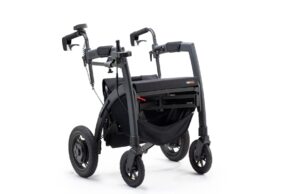
As people age, maintaining independence in their own homes becomes increasingly important. For many, mobility challenges, especially navigating stairs, can limit their freedom and quality of life. Stairlifts and other home mobility solutions are evolving to meet the needs of older adults and individuals with disabilities. The future of these devices promises more comfort, safety, and ease of use, helping people live more independently in their homes for longer. Here’s a look at the exciting future of stairlifts and home mobility solutions.
Advanced Technology for Smarter Mobility
In the future, stairlifts are expected to become smarter with the integration of advanced technology. For example, some stairlifts will be equipped with sensors and artificial intelligence to detect obstacles or changes in the environment, ensuring a safer ride. These sensors could automatically adjust the speed and trajectory to avoid collisions or sudden jerks, offering a smoother experience for users.
Customization for Better Comfort
Today’s stairlifts are already customizable to fit different types of stairs. However, future models will provide even more personalized features. Users may be able to adjust the seat, footrest, and armrests at the touch of a button, ensuring maximum comfort. Additionally, stairlifts might include more luxurious features like heated seats or memory foam padding, making the experience even more pleasant.
Integration with Smart Homes
With the rise of smart homes, stairlifts are likely to be integrated into these systems. This means users will be able to control their stairlifts through voice commands, mobile apps, or smart home hubs like Alexa or Google Home. For example, a person could simply say, “Take me upstairs,” and the stairlift would automatically start. This integration makes it easier for seniors to operate their mobility devices without needing additional assistance.
Sleek and Discreet Designs
Future stairlifts will also focus on aesthetics, blending seamlessly with home decor. Many existing models can be bulky and noticeable, but future stairlifts are expected to have more modern, sleek designs. The tracks may become more compact, and the lifts themselves will be less intrusive, fitting in with a wider range of home styles without disrupting the space.
Improved Battery Life and Efficiency
One of the most exciting developments will be improved battery technology. Stairlifts of the future will have longer-lasting batteries that require less frequent charging, making them more reliable. Enhanced energy efficiency will also ensure that these devices are more sustainable and cost-effective to run, which will be a major benefit for users in the long term.
Accessibility Features for All
As mobility solutions continue to evolve, we can expect more accessibility features that cater to a variety of needs. This may include stairlifts with wider seats for users who need extra space or lifts that can accommodate wheelchairs and scooters. In addition, enhanced remote control options will allow caregivers or family members to operate the devices from a distance, offering peace of mind to those who may not be able to operate them independently.
Future Integration with Health Monitoring
In the future, stairlifts might also have the ability to monitor the user’s health. They could track vital signs such as heart rate or blood pressure during the ride, providing real-time data to caregivers or doctors. This integration could improve the overall safety and health of users, particularly those with chronic conditions.
In conclusion, the future of stairlifts and home mobility solutions looks bright. With advances in technology, design, and accessibility, these devices will provide greater independence and comfort for individuals with mobility challenges. As innovation continues, stairlifts will become even more reliable, efficient, and user-friendly, ensuring that seniors and individuals with disabilities can continue to enjoy their homes with confidence and ease.